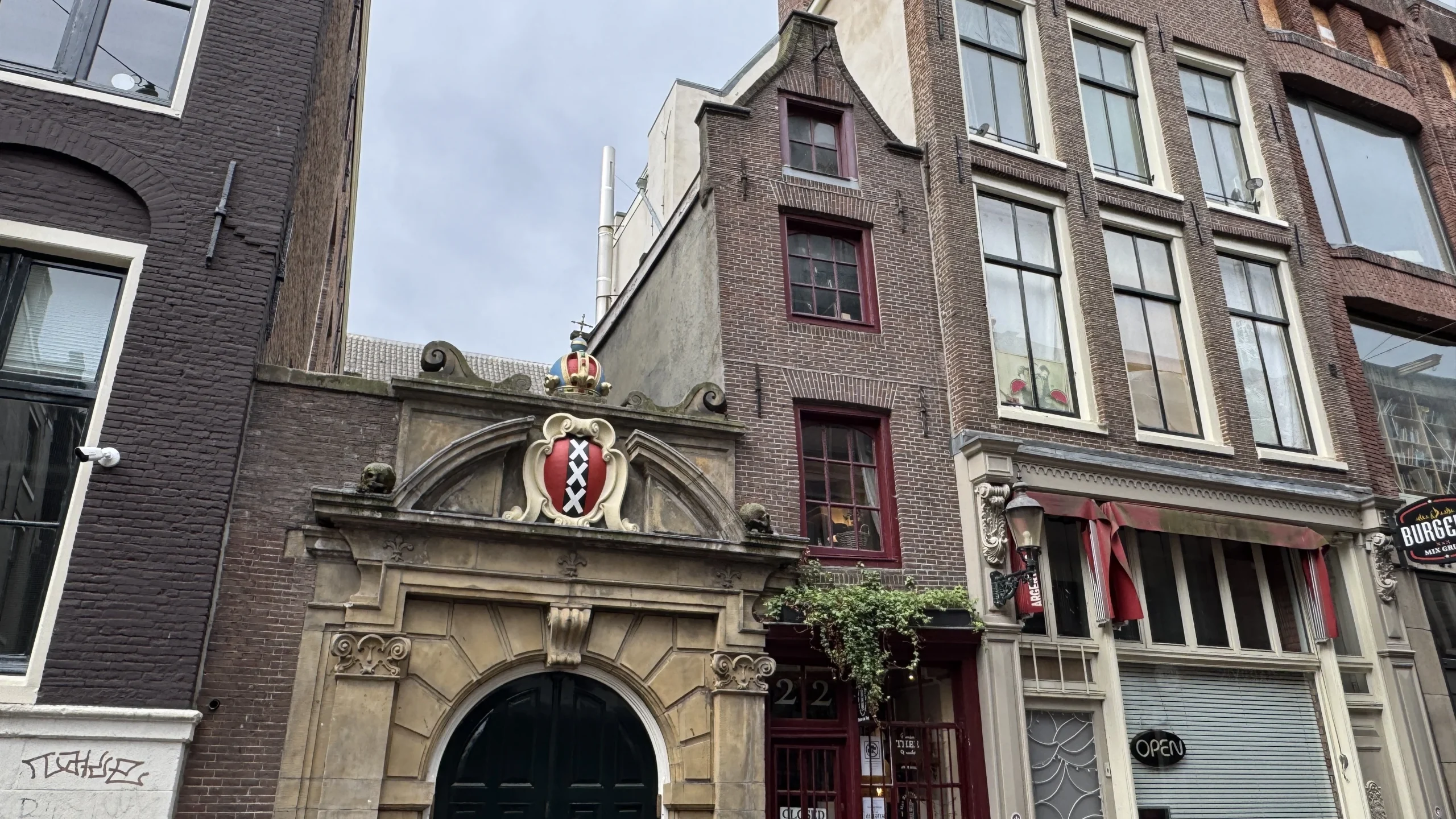
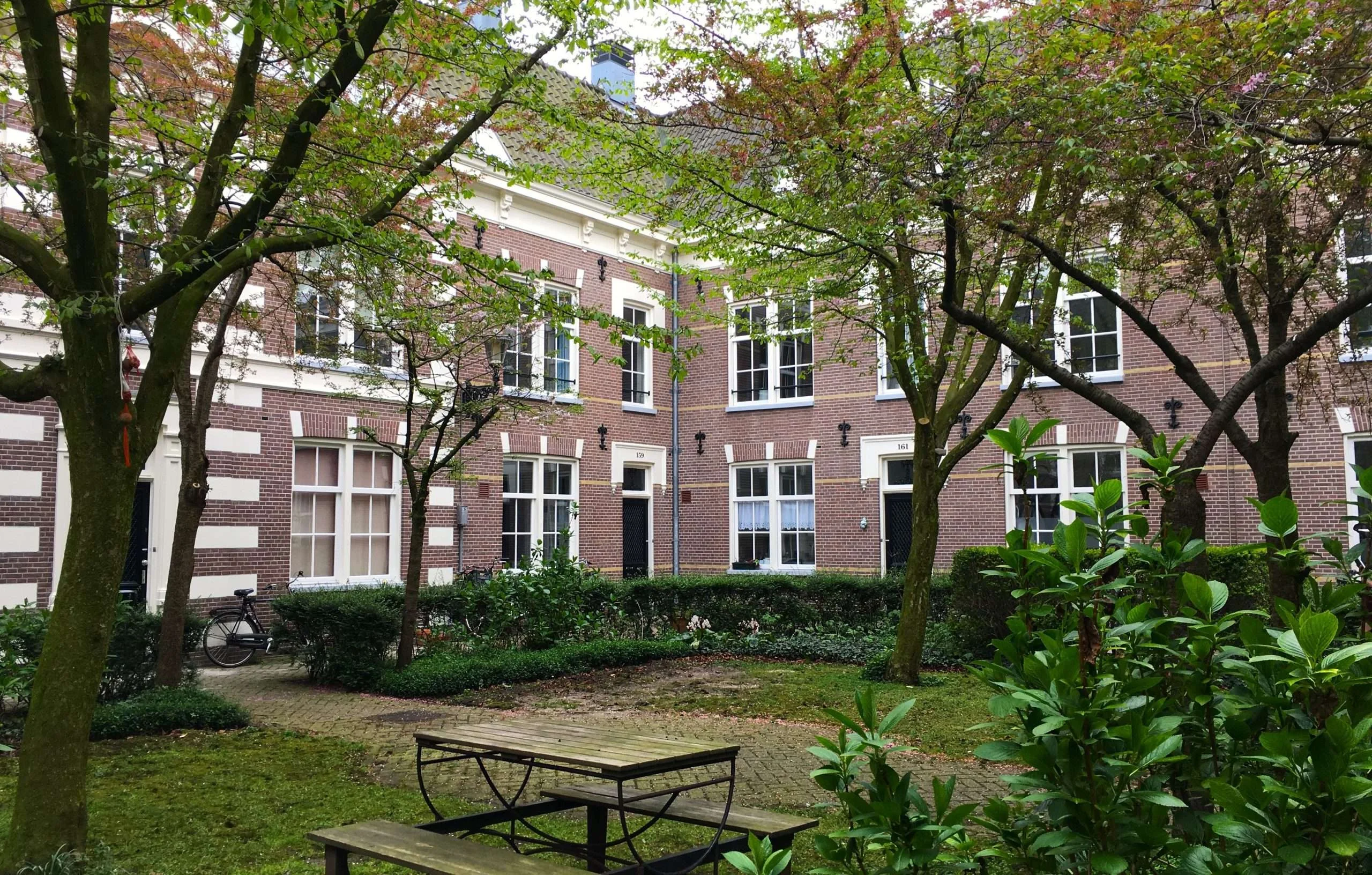
Did you know that Amsterdam has more museums per square meter than any other city in Europe? That is because besides the three or four “star” museums that most people visit, there are also another 80 or so medium-sized and smaller museums scattered throughout the city. Some specialize in broader subjects, such as photography, film, street art, science, etc; but many focus on one smaller subject or revolves around one person in particular.
When I started my Amsterdam Calling YouTube channel, we specialised in filming the more unknown, tucked away places and hidden gems, so these museums were subjects of many of our videos. And we point out or stop by a few of them on my walking tours. We love these places and want to help visitors discover them, either through our videos, my tour or this blog. Here is a list of 5 of the smaller museums to get you inspired:

Ons Liever Heer op Solder or Hidden Church in the Attic.
his is a very historical place and it’s an example of Amsterdam’s complicated relationship with religion. On my tour, I discuss this, walking through the old harbor area of the city. The Netherlands was a Catholic country until small revolutions started in many of the big cities in the Netherlands in the 1500s for the right to practice the Protestant religion. These uprisings for religious freedom started the Eighty Years’ War with Spain, who ruled the Netherlands at the time. By 1578 Amsterdam successfully revolted against Spain and the Protestant religion became the official religion of the Netherlands. Many clandestine Catholic churches sprang up around Amsterdam, where Catholics could worship in private. Although the city knew about these churches, the city basically “tolerated” it as long as Catholics worshipped privately.
This particular hidden church was built in the area now known as the Red Light District in the 1600s by Jan Hartman, a successful merchant. He transformed the upper two floors of his house into a Catholic church. It is now a popular museum, where you can visit the church and also tour the rest of the house, where you can see how wealthy people lived in a canal house during the Golden Age. This is one of two or three surviving hidden churches in Amsterdam and one of just a handful of museums built in a canal house. Oudezijds Voorburgwal 38-40

Cats Cabinet
This is one of the smaller, quirky museums, that we love. Officially this is an art museum filled with works depicting cats: paintings, drawings, ceramics, sculptures, photos, etc. But really it’s a canal house decorated with cat art, which hangs on the walls or adorns the furniture. So you feel like you are visiting someone’s house and not looking at things under glass at a typical museum. The Katten Kabinet boasts art from Picasso, Rembrandt, Toulouse-Lautrec and others. The museum was started by cat lover, Bob Meijer in 1990, who lived there with his beloved red tomcat, J.P. Morgan. Today, there are still several cats that live in the house.
Like Ons Liever Heer op Solder, this museum is also housed in a 17th century canal house, originally built for the prominent van Loon family. Unlike other canal house museums, this one has a less-wealthy, and a more funky, eclectic feel to it. When we were there last someone was receiving a lesson on the piano. Herengracht 497

Micropia
Micropia in Amsterdam is the first museum dedicated to the science of microscopic organisms. With high-tech and interactive exhibits, Micropia brings this world to life and makes this invisible world visible. We all have trillions of microbes on our bodies and more that live in our homes and in our surroundings. And that they are necessary to our health, environment & the food we eat. The museum is an extension of an actual lab, where scientists are doing research and experiments about microbes. On our visits there were learning stations about nematodes- organisms that inject themselves into insects and kill their hosts. They are now being used by farmers to kill insects, instead of chemical pesticides. Another was about how animal dung is transformed into a “bokashi” fertilizer, which is then used to help grow the food for the animals. Micropia is a fascinating visit that’s both entertaining and educational. Travel to Micropia and meet your microbes! It is located next to the Artis Zoo, so it makes for a great day out visiting both. Plantage Kerklaan 38-40

Geelvinck- Pianola Museum
The is a small, quaint museum filled with old player and automatic pianos, which date back to the late 19th and early 20th centuries. The curator gives you a tour, which is mainly a demonstration of how each piano-type works. Most are upright and require a music roll to play a certain recording. These rolls are made out of paper, which contain holes in a pattern that represents the musical notes. The paper is then wrapped around one wooden spindle. The spindle is placed on the front area above the keyboard and stretched out over the metal keys that in turn, produce the corresponding musical notes on the piano keys. The curator then shows you their collection of 30,000 music rolls, which are still in perfect condition.
Did you know that before Otto Frank, Anne Frank’s father, opened his pectin business on the Prinsengracht, that building was a music roll factory? Lastly, you are allowed to play some of the pianos. Even though the pianos play by themselves, you can control the tempo and sounds with foot pedals and levers. The museum is located in the Jordaan, the perfect spot for this old-fashioned museum. Open only Fridays-Sundays, with certain days for special concerts. Westerstraat 106

Canal Museum
Exploring and learning about the canal system is a large part of our city walks. But if you want to know even more about them, you can also visit the Grachtenmuseum or Museum of the Canals. Also located in a 17th century canal house, you start off by walking through some ornately decorated rooms of the house. You then walk upstairs to start the tour. The tour is a fascinating walk through 6 or 7 exhibits, which in total explain about the canal’s history, development, construction and maintenance. While listening to information through headphones, you watch visually appealing multi-media presentations with films, projections, models and real-life objects. And after, you can walk around their backyard garden. It’s a surprise at how well this museum wraps up such an important part of the city’s history. Herengracht 386
.
Ready to explore Amsterdam?
Book Your Tour →